

How to Use Proxies for Bulk URL Checking
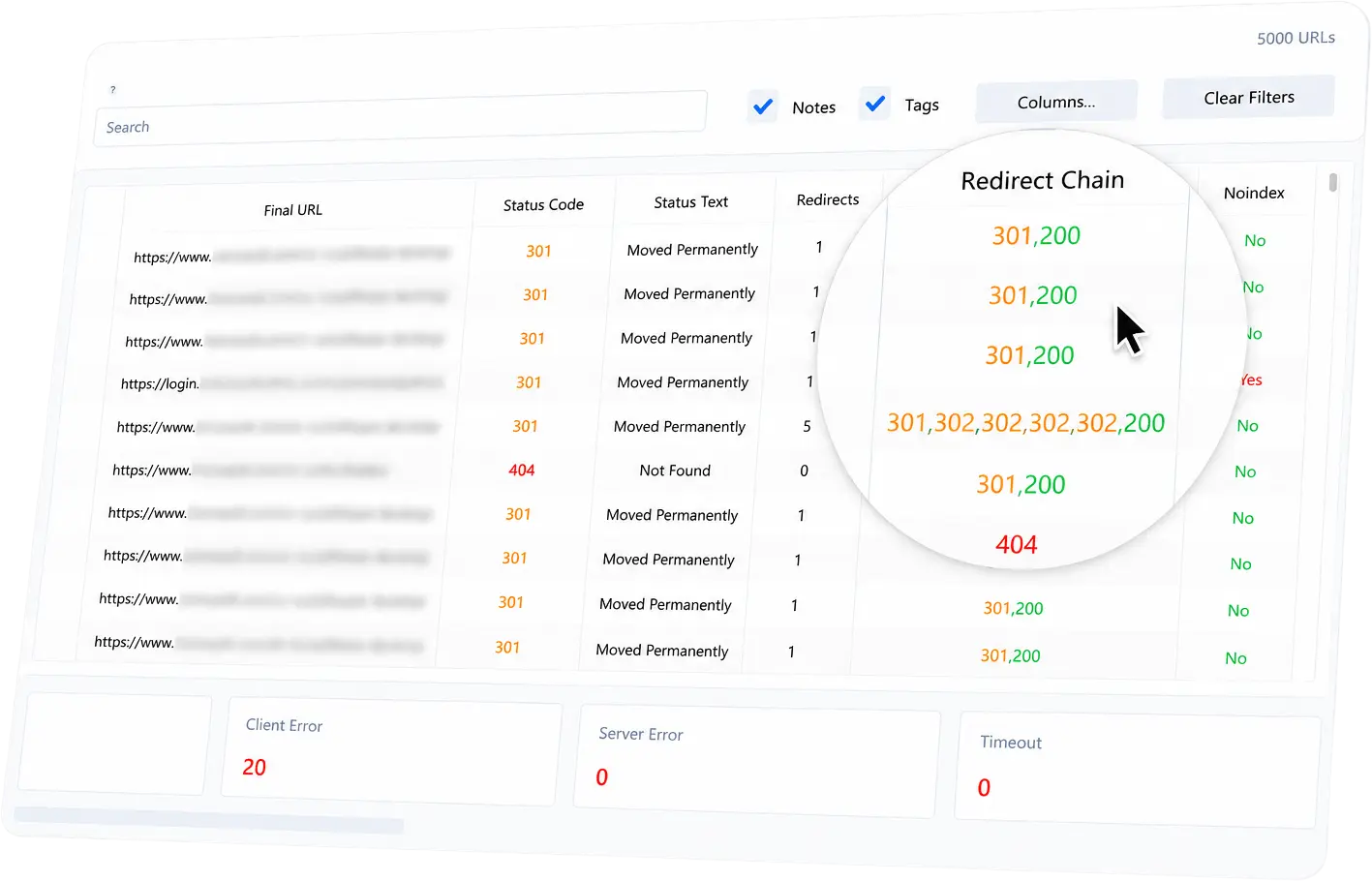
Proxies can be useful in URL audits, but they can also make results slower, less reliable and harder to interpret. They should be used deliberately, not as a default setting for every scan.
URL Verifier Pro supports proxy mode for scan requests, sitemap requests and robots.txt requests. Licence and update checks do not use your scan proxies.
This guide explains when proxies help, what can go wrong and how to keep proxy-based results useful.
When proxies can help
Proxies can be useful when:
-
You need to test access from a different network.
-
A client has provided approved proxy access.
-
A corporate network requires outbound traffic through a proxy.
-
A site blocks your office or data centre IP by mistake.
-
You need to compare behaviour across routes.
-
You are diagnosing proxy-specific failures.
In those cases, proxies are part of the test environment.
When proxies are a bad idea
Proxies can make an audit worse when:
-
The proxies are unreliable.
-
The proxy provider is blocked by many sites.
-
The proxy adds latency.
-
The proxy rewrites headers.
-
The proxy has poor TLS support.
-
The proxy fails intermittently.
-
You do not know who operates it.
-
You are scanning sites without permission.
Bad proxies create bad audit data. If a large number of rows fail only when proxies are enabled, the proxy layer is probably part of the problem.
Recommended workflow
-
Run a small baseline scan without proxies.
-
Enable proxy mode.
-
Add approved proxy entries.
-
Test a small sample before scanning the full list.
-
Compare status codes, final URLs, redirect chains and response times.
-
If results look stable, continue with the larger scan.
-
Tag or note any rows where proxy behaviour seems relevant.
-
Export proxy-based results separately from non-proxy results where possible.
Do not mix proxy and non-proxy results in the same report without noting the difference.
What to watch for
Higher response times
Proxies add another network hop. Some delay is normal. Very high delays may indicate an overloaded or distant proxy.
More timeouts
Timeouts may be caused by the proxy, not the target website. Test the same URL without the proxy before treating it as a site issue.
More 403 or 429 responses
Many websites block proxy networks. If enabling proxies increases blocking, proxies are hurting the scan.
TLS failures
Some proxies do not handle HTTPS traffic reliably. TLS errors through a proxy should be checked against a direct connection.
Different final URLs
Some sites route or redirect based on IP location. If proxy and direct scans lead to different destinations, document it.
Proxy formats
URL Verifier Pro supports common HTTP and HTTPS proxy formats, including authenticated proxy entries. Keep one proxy per line and confirm that the scheme, host, port, username and password are correct.
If the app reports that no supported proxy entry was found, check the formatting before assuming the scan has failed.
Responsible use
Use proxies only where you are authorised to do so.
Do not use proxy rotation to overload websites, bypass access controls or ignore rate limits. If a site is returning 429, it may be telling you to slow down. Lower concurrency, add delay and increase backoff before trying to solve the problem with more proxies.
The guide How to Reduce 403 and 429 Errors During Bulk URL Checks covers rate limiting in more detail.
Useful columns for proxy checks
When proxies are involved, include:
-
Original URL
-
Final URL
-
Status code
-
Redirect chain
-
Response time
-
Error details
-
Proxy failure indicators
-
Server header
-
Content type
-
Notes
-
Tags
Use tags such as:
-
proxy test -
proxy fail -
direct works -
proxy blocked -
retry direct -
client proxy
How to report proxy results
Be clear about the scan environment.
For example:
Results collected through client-provided proxy. Rows tagged proxy fail should be retested without proxy before developer escalation.
This prevents proxy issues being mistaken for website issues.
Final advice
Proxies are useful for specific scenarios, but they are not a magic fix for blocked scans. Start direct, test small, compare results and document the scan route. That gives you cleaner data and fewer false alarms.